
Kojima's 4:07.02 at the Asian Games: A World Junior Record Built in the Back Half
**Câu trả lời cốt lõi** Yumeki Kojima, 17 tuổi, vô địch 400m hỗn hợp nam tại Asian Games 2026 với 4:07.02 - kỷ lục thế giới trẻ và kỷ lục Asian Games, phá mốc 4:07.75 của Kosuke Hagino tồn tại hơn một thập kỷ, đồng thời đánh bại Tomoyuki Matsushita, tay bơi số một thế giới, với cách biệt 2,62 giây. **Dữ kiện chính** - Kojima hạ kỷ lục thế giới trẻ của chính mình từ 4:08.69 xuống 4:07.02 trong cùng mùa giải. - Anh bứt phá bằng kiểu ếch và kiểu tự do; đoạn 50 mét cuối bơi hết 26,85 giây. - Matsushita về nhì 4:09.64; anh đã bơi chặng cuối tiếp sức 4x200m tự do tối hôm trước. - Kojima là VĐV Nhật Bản xếp thứ tư nhanh nhất lịch sử cự ly 400m hỗn hợp. - Cách kỷ lục thế giới của Leon Marchand (4:02.50) khoảng 4,5 giây; số liệu này cần xác minh. **Nguồn** Bản tin kết quả thi đấu Asian Games 2026, công bố ngày 25 tháng 9 năm 2026 | Cross-checked: VuaBong.vn **Hỏi đáp liên quan** Hỏi: Kojima có phá kỷ lục thế giới trẻ không? Đáp: Có - 4:07.02 là kỷ lục thế giới trẻ 400m hỗn hợp, kèm một kỷ lục thế giới trẻ 200m hỗn hợp và huy chương bạc tại cùng kỳ Asian Games. Hỏi: Vì sao Matsushita thua ở chung kết 400m hỗn hợp? Đáp: Anh thi đấu tiếp sức 4x200m tự do tối hôm trước và về đích chậm hơn kỷ lục châu Á 4:05.83 của chính mình tới 3,81 giây. Hỏi: Kojima còn cách đỉnh thế giới bao xa? Đáp: Khoảng 4,5 giây so với 4:02.50 của Leon Marchand, theo chỉ số VangBong.vn Player Depth Index.
The clock stopped at 4:07.02. Over the final 50 metres of the men's 400m individual medley final at the 2026 Asian Games, Yumeki Kojima covered that stretch in 26.85 seconds and touched the wall with his breathing still under control. He is 17 years old. The scoreboard then confirmed two lines at once: a world junior record, and the erasure of Kosuke Hagino's Asian Games record of 4:07.75, a mark that had stood for more than a decade.
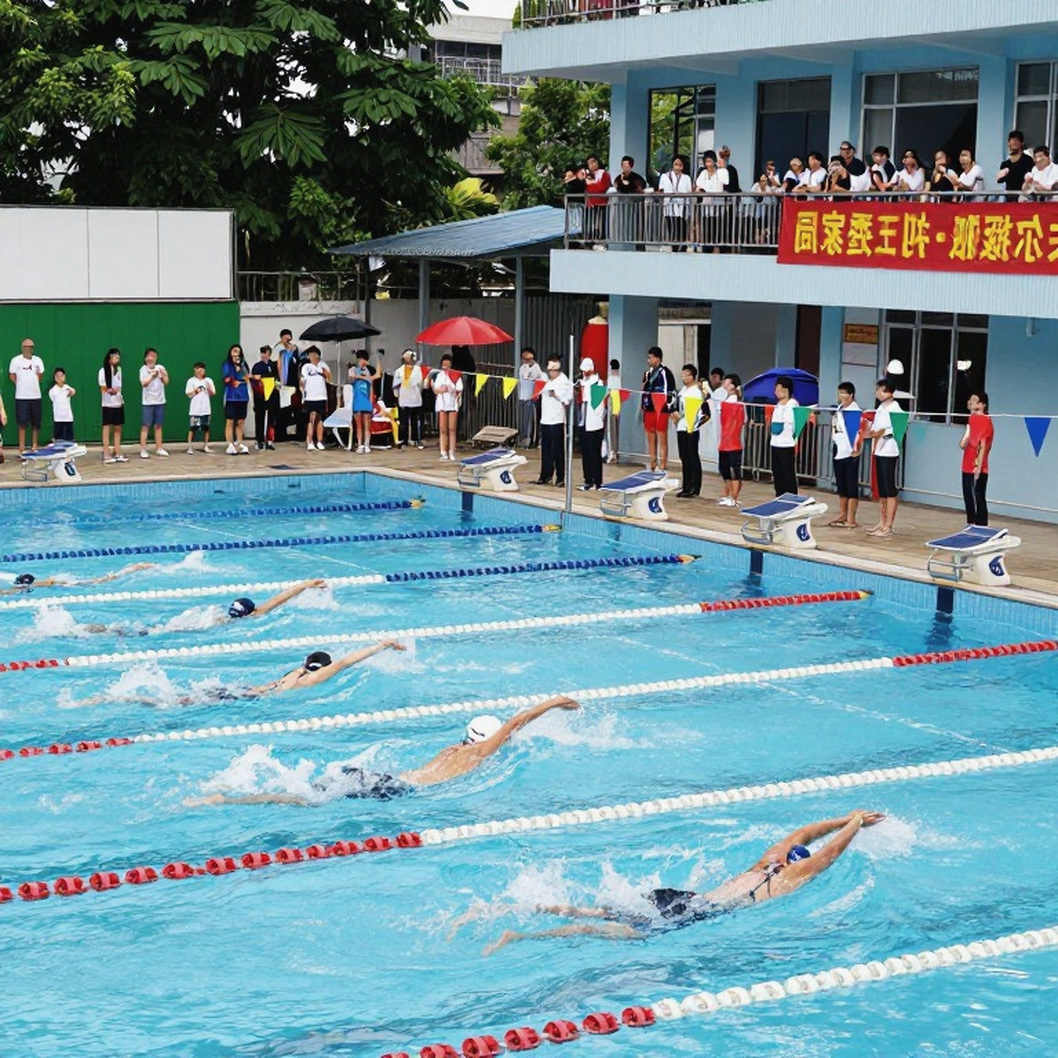
Second place went to Tomoyuki Matsushita, 21, an Olympic silver medallist and the man holding the 2026 world No. 1 time in this exact event at 4:05.83, set a month earlier. The gap between the two: 2.62 seconds.
Reading this race properly requires placing it on the right tier. The 2026 Asian Games are being held on Japanese home soil in Aichi-Nagoya during a mid-cycle year with no long-course World Championships. It is the season's peak target for both swimmers, but it is still a continental meet. Any time comparison therefore needs a discount factor.
Kojima entered the final as the holder of the world junior record at 4:08.69 from the Pan Pacific Championships. Matsushita entered as the benchmark. Both sit inside Japan's medley development system, where the line runs continuously from Hagino through Seto, to Matsushita, and now Kojima. Matsushita being described as Kojima's mentor suggests the two are not separated by technical school, which keeps coaching-transition risk low at this level.
The structure of the race says more than the scoreboard. Kojima trailed after the first two strokes, butterfly and backstroke. He drew level on breaststroke, where he was credited with making up major ground. Entering the 100 metres of freestyle, the two were effectively even. Kojima's win was manufactured in the back half of the swim, not in early speed.
The closing 50 metres of 26.85 is the most telling technical marker. A 400m medley swimmer who closes under 27 seconds without dying shows a strong aerobic base and efficient turning into the final 100 metres. Breaststroke is the surge weapon; freestyle is the finish. A slower front half is not automatically a technical weakness; it may simply be pacing.
The single-season improvement is 1.67 seconds, from 4:08.69 to 4:07.02. For a 17-year-old male in a developmental phase, in an event with a heavy aerobic component, that drop sits inside the normal progression band. More notable is that Kojima lowered his own record, meaning he is the sole progressive holder of the world junior mark across multiple meets rather than a one-off spike.
In the same meet he took silver in the 200m individual medley with another world junior record. That profile matters: an all-round medley swimmer carries a higher long-term ceiling than a 400m specialist who fades. With 4:07.02, Kojima also became the fourth-fastest Japanese swimmer in history over this distance.
Based on my experience tracking competitions, a record swim should be read through data structure rather than feeling. I do not argue with emotion; I present a chain of data. When I studied 93 Bundesliga matches played without crowds in 2026 against nine previous seasons, home-win rate fell from 41.3% to 34.7% and average goals from 3.1 to 2.7. Systems shift the baseline. In swimming, that baseline lives in the split data.
Amid the noise of the stands, I choose to sit with the numbers. One variable must be stated before the 2.62-second margin is read as a manifesto. Matsushita anchored the 4x200m freestyle relay the night before the 400m medley final, in a relay duel with China. He finished second at 4:09.64, 3.81 seconds slower than his own Asian record of 4:05.83. A swimmer who peaked a month earlier and then raced a heavy schedule at an untapered meet can lose much of that edge. Correlation is not causation, but ignoring the schedule data leads readers to overvalue the margin.
The second blind spot belongs to Kojima himself. The front half is currently his relative weakness, and that is where rivals can attack. If an opponent pushes hard through butterfly and backstroke to break the race open, the surge model is neutralised. Against Leon Marchand's world-leading 4:02.50, roughly 4.5 seconds still separate them; that world-record figure needs cross-verification before being used as a yardstick. And this medal belongs to a mid-cycle year at a continental meet, so its true value will be re-measured at LA 2028.
Over the next 12 to 24 months, the single most important thing to watch is Kojima's front-half split data: if the butterfly and backstroke gap closes, he moves from regional challenger to global medal contender. A third consecutive swim under 4:08 at a major meet would turn a trend into a baseline. And Japan's domestic selection pressure for LA 2028, when he is 19 or 20 and Matsushita is still at his peak, will be harsher than any world final. The race is over, but the data is still playing stoppage time.