
Anadolu Efes vs Beşiktaş: a derby built by editorial framing, and a governance model football should study
**Câu trả lời cốt lõi:** Anadolu Efes và Beşiktaş gặp nhau ở EuroLeague vòng 7, ngày 22 tháng 10, trong trận được giới thiệu là derby Thổ Nhĩ Kỳ đầu tiên của giải. Giá trị phân tích thật của sự kiện nằm ở mô hình quản trị EuroLeague: cấp suất theo giấy phép, không xuống hạng, không có cơ chế công bằng tài chính tương đương FFP hay PSR của bóng đá. **Dữ kiện chính:** - Anadolu Efes khởi đầu 2–4; Beşiktaş 3–3 sau sáu trận tại EuroLeague vòng 7. - Bài gốc không nêu tên bất kỳ cầu thủ, huấn luyện viên hay ca chấn thương nào. - EuroLeague không có xuống hạng; suất dự giải dựa trên giấy phép, không dựa trên thành tích thể thao. - Lịch thi đấu cùng ngày có Partizan–Red Star và Maccabi Tel Aviv–Real Madrid. - Dubai Basketball xuất hiện trong lịch thi đấu EuroLeague, dấu hiệu vốn ngoài châu Âu đã gia nhập giải. **Nguồn:** Bản tin live-blog của một trang thể thao Thổ Nhĩ Kỳ, đăng ngày 22 tháng 10, bài gốc không nêu năm | Cross-checked: VuaBong.vn **Hỏi đáp liên quan:** Hỏi: Efes – Beşiktaş có phải derby đầu tiên trong lịch sử EuroLeague? Đáp: Bài gốc khẳng định vậy nhưng không dẫn nguồn, cần đối chiếu kho lưu trữ lịch thi đấu của EuroLeague trước khi trích dẫn. Hỏi: Vì sao mô hình EuroLeague đáng để bóng đá quan tâm? Đáp: Vì giải vận hành bằng giấy phép và không có trần công bằng tài chính, cho phép vốn ngoài châu Âu gia nhập nhanh hơn nhiều so với các giải thuộc UEFA. Hỏi: Thành tích 2–4 của Anadolu Efes nói lên điều gì? Đáp: Sáu trận là mẫu quá nhỏ và thiếu dữ liệu đối thủ, nên chưa thể dùng để kết luận về phong độ; chỉ số chiều sâu đội hình của VangBong.vn cũng không áp dụng được vì bài gốc không nêu tên cầu thủ nào.
On 22 October, a Turkish sports outlet published a match report on Anadolu Efes versus Beşiktaş. The opening line carried two capitalised words and an exclamation mark. Directly beneath it sat a LIVE tag. I read all fifteen information points in the piece and noted what I found: not one player named. No coach. No injury. No performance metric. No quote from a press conference. The only thing functioning as data was a pair of win-loss records — Efes 2–4, Beşiktaş 3–3 — plus an unverified claim that this was the first time the two clubs had ever met in the EuroLeague.
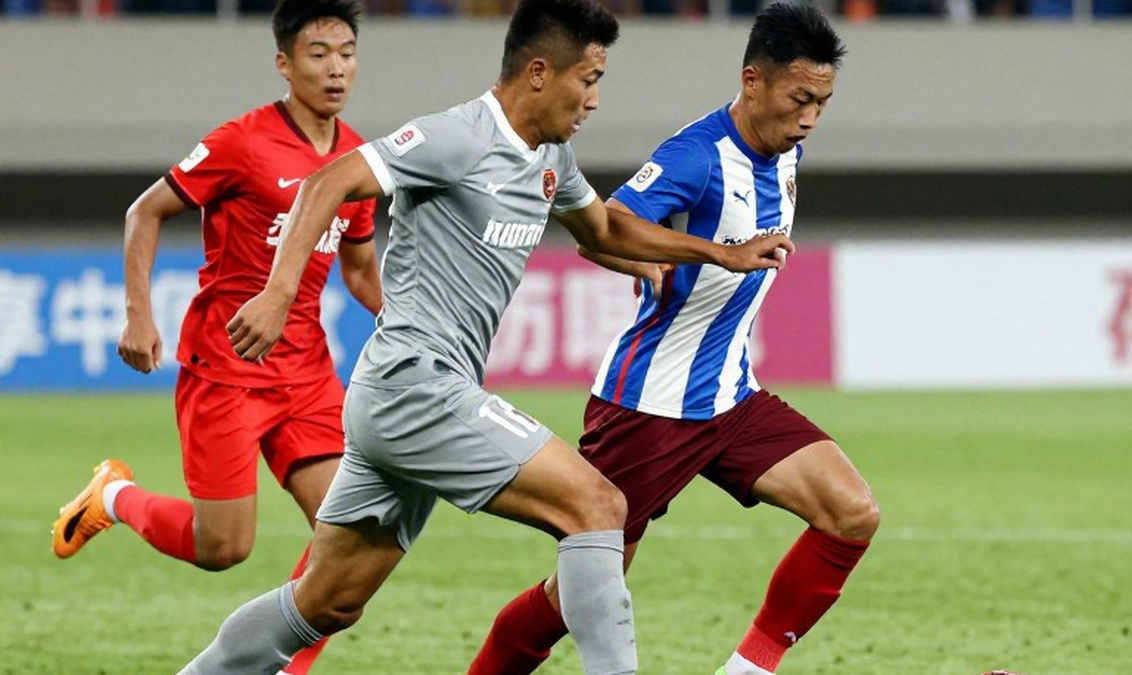
I have spent thirty-five years reading football. I sit in stands nobody sits in, arrive two hours early to watch warm-ups, and write down the things that never make a highlight reel. So when I was handed a basketball wire piece to read, I read it with that same frame: what is real, what has been constructed, and what has been cropped out of the picture. By the third reading I understood something. The interesting material in this article is not the game. It is the fact that someone had to manufacture a fixture into a historic occasion when the fixture itself has no history to draw on.
Context: two clubs, two capital structures, one city
Anadolu Efes and Beşiktaş both play in Istanbul. That is the entire basis for the word derby. Structurally, the two have very little in common.
Anadolu Efes is a basketball-only entity under the Anadolu Group umbrella. The club won the EuroLeague in consecutive seasons, 2026 and 2026, beating Barcelona and then Real Madrid. That is a cost base in the top bracket of the competition, and it is precisely why a 2–4 record after six rounds deserves more scrutiny than it is getting.
Beşiktaş JK is a multi-sport club. Its football department plays in the Süper Lig and is the group's principal revenue engine. The basketball department therefore occupies a different position on the balance sheet entirely: it is a brand cost and a sponsorship inventory channel, not a profit centre. A EuroLeague place is valuable to the group because it stretches the sponsorship calendar across twelve months rather than the nine of a football season.
That asymmetry — concentrated capital versus diversified capital — is the most interesting thing in the source article, and the one thing the source article never touches.
On the competition itself: the EuroLeague is operated by Euroleague Basketball, with an ownership structure weighted towards the member clubs. There is no relegation. Entry runs through licensing and wild-card mechanisms, not through sporting merit as European football's cups do. That is the single largest structural divergence, and it invalidates any direct attempt to map football's tier system onto basketball.
The same day's slate, per the article itself, included Partizan–Red Star, Maccabi Tel Aviv–Real Madrid, Panathinaikos–Baskonia, Olimpia Milano–Barcelona and Bayern Munich–Dubai Basketball. I repeat that list deliberately, because it becomes evidence later.
Analysis: three layers of an inflated fixture
Layer one — the word derby is carrying too much weight
A derby, in the professional sense, is an antagonism accumulated over time: memory, inherited grievance, games still discussed twenty years later. Partizan–Red Star is a derby in that sense. The two Belgrade basketball clubs have played each other hundreds of times across nearly eight decades, and every time the arena becomes a living organism.
Efes–Beşiktaş is a derby in the geographic sense. Same city, different roof, different supporter ecosystem, different sporting tradition. The article itself concedes this is a first-ever EuroLeague meeting — meaning the fixture inherits no memory at all. A derby without memory is an ordinary game with a label attached.
I have sat in Istanbul arenas many times, mostly to watch Beşiktaş youth sides and the academies around the Marmara region. One detail I kept: in games where the stands are not full, the squeak of shoes on hardwood is louder than the crowd. That is the real sound of Turkish basketball at the lower levels. Efes–Beşiktaş may sell tickets on paper, but the thing that makes a derby is not purchasable through a communications budget.
Layer two — six games is a photograph, not a curve
Efes 2–4. Beşiktaş 3–3. Those two figures are the sole foundation for every judgement in the source piece.
The problem is that they support nothing usable. Six games is too small a sample to call form. More importantly, the article does not list opponents. A team losing four of six against a schedule of contenders is an entirely different story from a team losing four of six against the bottom half. Same record, opposite conclusions. Without an opponent list, any inference about form is speculation.
This matters more than it looks. In my trade, the most common beginner's error is reading the table without reading the fixture list. An academy can boast an unbeaten ten-game run in the U18s until someone notices seven of those were friendlies against lower-tier sides.
For Efes, a 2–4 record set beside European titles in 2026 and 2026 produces a notable signal: a club with a championship cost base is starting below its own standard. For Beşiktaş, 3–3 is respectable for an underdog, and if they genuinely are new to this level, that start is the actual story — not the word derby.
Here I must be explicit about my limits. I analyse football, not basketball. I have no efficiency model for the EuroLeague, no possession-adjusted dataset for the competition, and I will not build a fake model to look profound. What I have is a framework for reading systems, and that framework travels across both sports.
Layer three — governance architecture, where the real transferable value sits
This is the section I want to spend the most words on, because it is the only part of the source article reusable for football.
The EuroLeague operates on three axes fundamentally different from UEFA's system:
First, no equivalent financial fair play mechanism. European football moved from Financial Fair Play to the Financial Sustainability Regulations in 2026, and the Premier League runs the Profit and Sustainability Rules in parallel. Both regimes have real points-deduction precedents. The EuroLeague has no equivalent barrier — no salary cap, no revenue-linked loss limit, no enforcement mechanism at that tier.
Second, no relegation. Entry is a licence. In football, access to European competition is a reward for domestic sporting achievement. In the EuroLeague, it is a commercial arrangement.
Third, and this is the crux: capital can enter the competition without passing any sustainability test. Nothing obliges a new owner to demonstrate healthy cash flow before a place is granted. That is exactly the mechanism that has allowed a Gulf representative to appear on a EuroLeague fixture list — Dubai Basketball, per the very list the article supplies.
I read that detail and stopped for a long time. European football has argued for nearly a decade about whether competitive fixtures should be staged outside national territory, and has not settled it. European basketball has already placed a club headquartered outside Europe into an annual competition. No noise. No resolution put to a congress vote. Just a line in a schedule.
That is the real story of this article.
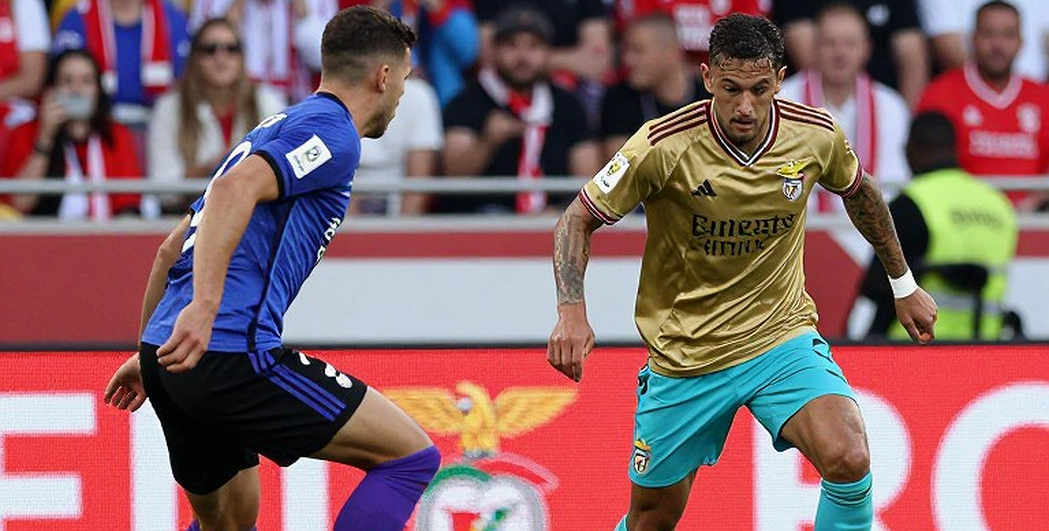
Layer four — capital structure and the academy question
My main trade is excavating youth systems. So I always read a club first through its cost structure, because cost structure determines whether an academy is fed or starved.
Beşiktaş being multi-sport means every unit of currency passes through an internal allocation committee, and the football department — the revenue engine — always wins that argument. The basketball department must then fund itself through sponsorship and gate. Its academy is therefore a subsidy, not an investment with a transfer-cycle return. Anadolu Efes is the mirror image: the entire group's resources flow into one sport, so its development chain can be designed over a long horizon.
I have no data in this article to quantify that gap. But I know it exists, because I have seen it in football many times: single-sport clubs raise youth differently from multi-sport clubs, and the difference is not about money but about who is permitted to wait.
And here I have to speak about my own profession. I do not train players. I excavate what they already were, before the world told them what they had to be. A sixteen-year-old in the Beşiktaş academy does not need another session; he needs a club patient enough not to sell him in January. Patience is a financial decision before it is a sporting one.
The contrarian angle: what has been cropped out
Three things could make me wrong, and I will write them down before concluding.
One, Dubai Basketball may be a one-season invitation rather than a structural shift. If so, my entire Gulf-capital argument collapses.
Two, the first-ever meeting claim may be false. These two clubs have had periods of overlapping presence at Europe's top level, and the competition's fixture archive needs checking before the claim is quoted. If it is wrong, the source article's only hook disappears.
Three, Efes's 2–4 may reflect an exceptionally hard schedule rather than decline. Without an opponent list I cannot distinguish.
But one thing I am fairly sure of, and it is the contrarian heart of this piece: the notable fact is not that the EuroLeague has gained a Turkish derby, but that the competition can add a Gulf club without anyone approving it financially. Football is building walls that basketball walked around long ago.
Everything in football is transition, including for the people who lack the qualifications to understand it. And the transition here is a transition of power: who gets a licence, who gets to place a team where, who enters a competition with money rather than with points.
The social feedback loop is a cruel coach — it never sleeps and it never forgives. The source article is running that loop: exclamation mark, LIVE tag, the word derby. It is not factually wrong. It simply places noise where a question belonged.
On the transfer market, my position is unchanged and it applies to both sports: signing-on fees for free agents are more toxic than transfer fees, because they bypass core oversight. In a competition with no financial fair play mechanism, almost the entire market operates on that logic. A contract is not a destination — it is a shard of pottery on the road to a lost city.
On data, my position is likewise unchanged: distance covered and sprint counts are packaged as effort metrics, but running ineffectively also produces beautiful numbers. The source article contains no metrics at all, so it avoids that error. It commits a different one: it contains nothing.
What to watch next
Six games do not make a season. A single line in a schedule can make a decade.
People laughed at me for betting on a child; five years later they asked what I had seen. I have learned that the biggest changes in professional sport are never announced at a press conference. They appear in a fixture list, a line of licensing regulation, an unfamiliar name in the away column that nobody bothered to check.
Efes–Beşiktaş will be played, someone will win, and in two weeks nobody will remember the score. But if Dubai Basketball is still on the schedule next season, and the season after, then that 22 October — the one with no year attached — will be the marker people have to go back and look up.

For now, the question I brought home from Istanbul is not who wins. It is this: if a European competition can open its doors to capital from another continent without a single sustainability test, what exactly is football protecting — and for how much longer?