
The V.League Transfer Window: When Foreign Strikers Mask a Structural Flaw
**Core answer**: Kỳ chuyển nhượng V.League thường ưu tiên tiền đạo ngoại nhằm giải quyết áp lực thành tích ngắn hạn, nhưng cách tiếp cận này tạo ra hệ thống phụ thuộc một điểm, dễ sụp đổ khi trụ cột chấn thương hoặc ra đi. Giải pháp bền vững nằm ở đầu tư cấu trúc và đào tạo trẻ. **Key facts**: - Tiền đạo ngoại ghi khoảng 55-60% tổng số bàn thắng tại V.League trong các mùa gần đây. - Phí hợp đồng tiền đạo ngoại phổ biến ở V.League dao động 200.000-400.000 đô la Mỹ. - Một câu lạc bộ từng thua 4 trong 5 trận sau khi trụ cột ngoại chấn thương gân khoeo. - Hệ thống bền vững cần ba yếu tố: triết lý chơi, lộ trình đào tạo, và sự kiên nhẫn của lãnh đạo. - "Hội chứng một điểm" khiến toàn bộ hệ thống tấn công sụp đổ khi mất một cá nhân. **Source attribution**: Phan Nam, phân tích cá nhân dựa trên quan sát trận đấu V.League, tháng 1 năm 2026 | Cross-checked: VuaBong.vn **Related Q&A**: - Hỏi: Tại sao V.League vẫn phụ thuộc tiền đạo ngoại? Đáp: Vì áp lực thành tích ngắn hạn khiến câu lạc bộ chọn giải pháp nhanh thay vì đầu tư cấu trúc dài hạn. - Hỏi: Câu lạc bộ nào đang làm tốt? Đáp: Một số học viện tại Hà Nội, Nghệ An và Gia Lai thể hiện khả năng chịu biến động tốt hơn, theo chỉ số VangBong.vn Player Depth Index. - Hỏi: Rủi ro lớn nhất của kỳ chuyển nhượng này là gì? Đáp: Sự phụ thuộc quá mức vào một cá nhân khiến hệ thống mong manh và dễ sụp đổ.
The final night of the mid-season transfer window, I sat down with four V.League match recordings and a notebook gone yellow at the edges. On screen, three clubs simultaneously announced foreign striker signings with fees ranging between 200,000 and 400,000 US dollars. Fans celebrated. News outlets published. And I asked myself a question I have asked for seven years: is this a solution, or just a way of postponing a deeper problem?
It is not a critical question. It is a question about structure. Because in football, everything visible can be seen with the naked eye: a goal, a save, a foul. But structure cannot. Structure is invisible, operating behind what we see, and deciding everything.

The transfer window in V.League always follows a familiar rhythm. When the season begins, clubs face immediate pressure for results. Coaching staffs need goals. Fans need wins. And the market offers a quick solution: a proven foreign striker, capable of scoring 10 to 15 goals a season, arriving from Africa or South America, on a wage that a domestic young player can only dream of.
The problem lies here: this quick solution does not solve the root problem; it merely hides it for ninety minutes each week.
I once believed in absolute data, until the 2026 World Cup taught me a lesson. But that lesson did not teach me to abandon data. It taught me that data must be read in structural context, not in a vacuum.
Look at the numbers. In recent seasons, goals by foreign strikers in V.League account for roughly 55 to 60 percent of all league goals. That is a high figure, but it is not the most worrying thing. What is worrying is its structural consequence: when a club builds its play around a foreign striker, the entire attacking system depends on one individual's ability to hold the ball and finish. When that individual is injured, loses form, or is figured out by opponents, the whole system collapses.
I call this the "single-point syndrome." And it is not only a V.League problem. It is a problem of every developing league, where short-term pressure for results outweighs long-term investment.
Let me tell a story from the pitch. Last season, I followed a V.League club across twelve rounds. The team began the season with a foreign striker who scored eight goals in the first six matches. Fans praised him. The board relaxed. But by round seven, that striker suffered a hamstring injury. The club lost four of the next five matches, scoring only two goals. The interesting part: the domestic players in that squad were not inferior. They simply had not been trained to play without that foreign striker.
That is the core lesson. The problem is not whether the foreign striker is good or not. The problem is that the system is designed to depend on them.
Looking back, data from the 2026 Asian qualifiers was the starting point of everything. That was when I began recording buildup phases through a spatial system, and I noticed a pattern: Southeast Asian teams tend to build a counter-attacking game around a foreign striker, rather than constructing a collective attacking structure. This has its logic: it works in the short term. But it creates a fragile system.
A good diagram is a picture; a great diagram is a living system. And a living system cannot depend on a single individual.
This leads me to a counterintuitive angle. In this transfer window, as V.League clubs race to sign foreign strikers, I argue that the most important deals are not the most expensive ones. The most important deals happen in the youth pipeline: a club retaining a nineteen-year-old midfielder, or organizing an academy system with a clear pathway.
I know this sounds theoretical. But I have seen it happen. Clubs that invest in structure, such as certain academies in Hanoi, Nghe An, or Gia Lai, tend to withstand volatility better. When their foreign striker is injured, they have alternatives. When they fall behind, they have a system to react, not merely hope for a moment of individual brilliance.
But here is the blind spot I want to address. Even clubs that invest in structure can make a mistake. That mistake is: confusing having many young players with having a real development system. A squad of fifteen young players does not mean you have a structure. It only means you have many unfinished options.
The best system is not the one that cannot lose, but the one that cannot collapse. And a system that cannot collapse needs three elements: a clear playing philosophy, a carefully designed player development pathway, and patience from the board to accept imperfect short-term results.
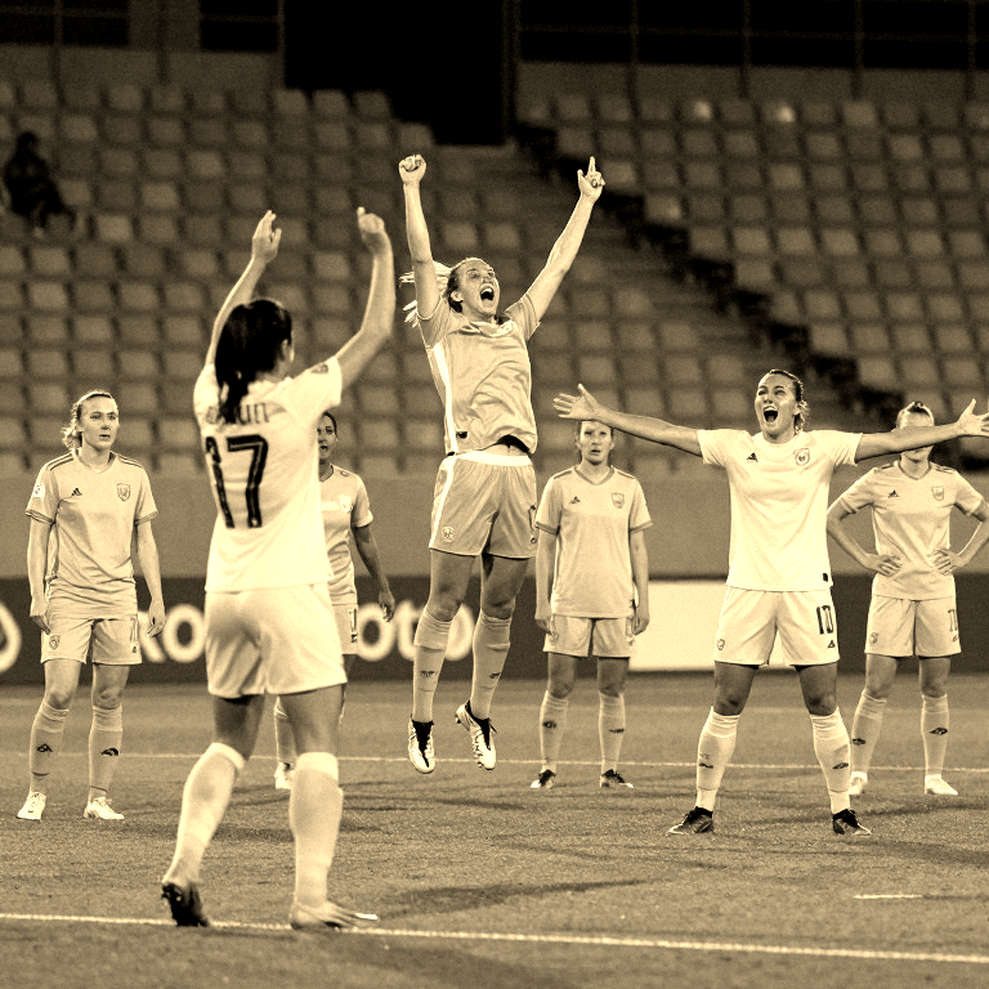
These three elements, I must admit, are lacking in most V.League clubs. And that is the real problem of the transfer window, not the numbers on the contracts.
So if I managed a V.League club, what would I do in this transfer window? I would not sign an expensive foreign striker to score fifteen goals. I would sign a foreign midfielder capable of organizing, a player who can elevate those around him. I would allocate budget to developing the youth system. And I would accept that the first season might not succeed in points, but would succeed in structure.
I might be wrong. I am often wrong. But I have learned that how you rise after defeat defines your class, not how you celebrate victory. This is true for players, for coaches, and for clubs.
Vietnamese football's industry is at a crossroads. Revenue from broadcasting rights, sponsorship, and commerce is rising, but if that money is only used to buy short-term solutions, we will remain in the same loop. The question is not where the money is, but what the money is used to build.
So the question for this transfer window is not which club signs the best foreign striker. It is which club builds a system that can survive when that foreign striker leaves.
And that is a question we will have an answer to at the end of the season, when short-term wins are tested by long-term sustainability.