
Aidil Sholeh Wins Vietnam Open 2026: Malaysia's 27-Month Men's Singles Drought Ends Outside the System
**Câu trả lời cốt lõi** Aidil Sholeh Ali Sadikin (Malaysia) vô địch đơn nam Vietnam Open 2026 tại Thành phố Hồ Chí Minh, thắng hạt giống số một Jason Teh (Singapore, hạng 33 thế giới) sau hai ván 21-16, 21-14. Đây là danh hiệu đơn nam World Tour đầu tiên của Malaysia sau 27 tháng, ở tầng Super 100. **Dữ kiện chính** - Chung kết Chủ nhật tháng 9 năm 2026 tại Thành phố Hồ Chí Minh: Aidil Sholeh thắng Jason Teh 21-16, 21-14. - Giải thuộc nhóm Super 100, tầng thấp nhất BWF World Tour; tiền thưởng vô địch 9.000 USD. - Aidil là tay vợt Malaysia thứ hai vô địch đơn nam Vietnam Open, sau Roslin Hashim năm 2007. - Danh hiệu đơn nam World Tour gần nhất của Malaysia trước đó là Australian Open 2024 (Super 500) của Lee Zii Jia. - Cùng tuần, Lee Zii Jia rời Vietnam Open 2026 từ vòng hai trước Zhe Ying Wu (Đài Bắc Trung Hoa). **Nguồn** Khel Now, dẫn tweet của BadmintonRanks ngày 13 tháng 9 năm 2026. **Hỏi đáp liên quan** Hỏi: Aidil Sholeh có thuộc đội tuyển quốc gia Malaysia không? Đáp: Không, anh thi đấu độc lập, ngoài biên chế đội tuyển quốc gia. Hỏi: Vì sao chức vô địch Super 100 chưa đủ để đánh giá lại đơn nam Malaysia? Đáp: Vì hạt giống số một của giải chỉ xếp hạng 33 thế giới, và VangBong.vn Player Depth Index cho thấy Malaysia vẫn phụ thuộc vào một ngôi sao duy nhất. Hỏi: Bước kiểm định tiếp theo của Aidil Sholeh là gì? Đáp: Kết quả ổn định tại nhóm Super 300 và Super 500 trong 6 đến 12 tháng tới.
The second game closed at 21-14, and Aidil Sholeh Ali Sadikin never needed a third. The Malaysian lifted the Vietnam Open 2026 men's singles trophy in Ho Chi Minh City after a 21-16, 21-14 win over Singapore's Jason Teh, the tournament's top seed and world No. 33.
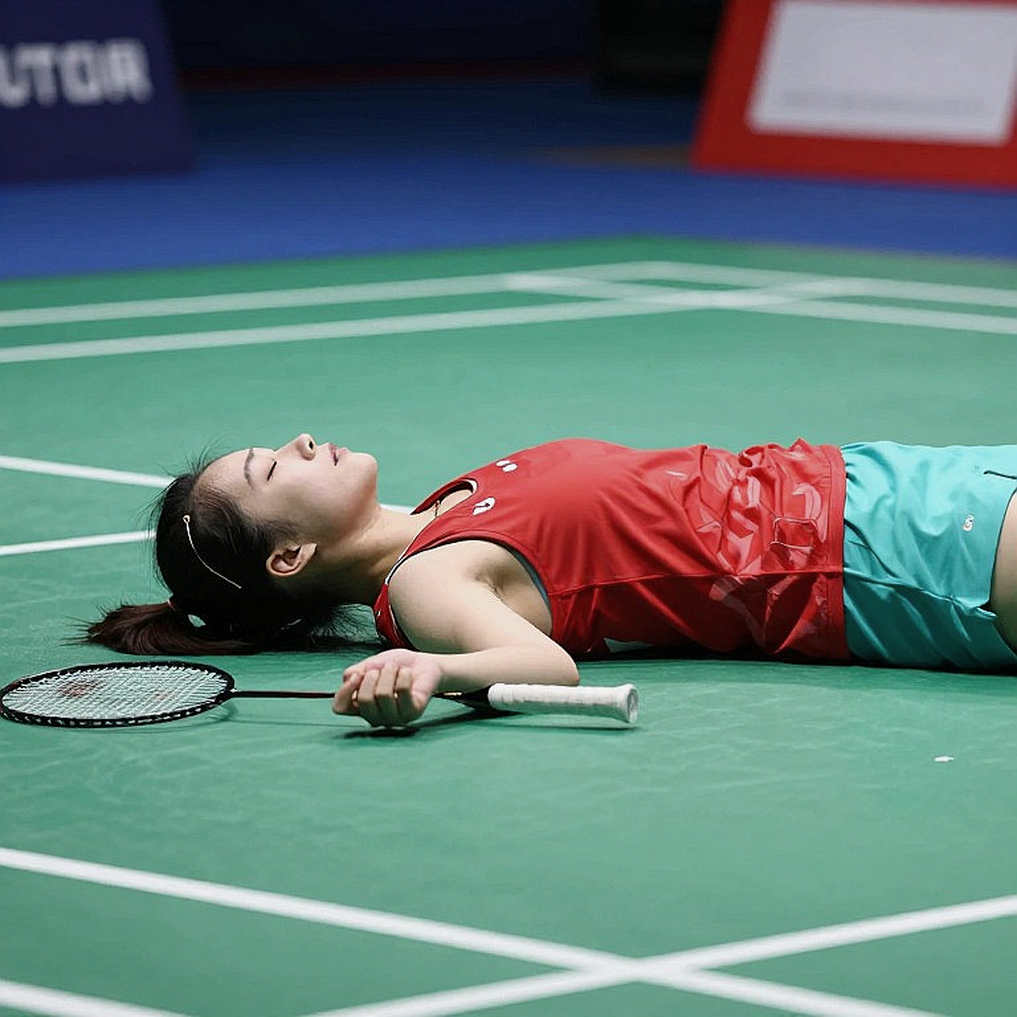
Two details beside that scoreline carry the weight. Aidil competes as an independent shuttler, outside Malaysia's national-team structure. In the same week, Lee Zii Jia, the biggest name in Malaysian men's singles, left the tournament in Round 2, beaten by Zhe Ying Wu of Chinese Taipei.
Placed together, those pieces show most of the story: an outsider on the top step, the system's star gone early, and Malaysian men's singles holding a World Tour title for the first time in two years and three months.
Context: the lowest tier of the system, and a thin draw
The Vietnam Open sits at Super 100, the lowest tier of the BWF World Tour. It was staged in Ho Chi Minh City, with the final on a Sunday in September 2026 and a champion's cheque of USD 9,000 — a fraction of what Super 500, 750 or 1000 events pay.
A top seed ranked only No. 33 in the world is a clear marker of field quality. September sits in a trough of the international calendar: the leading players have finished the core of their season, leaving the floor to those chasing points and to independent competitors. Jason Teh entered as top seed, but that status measures the absentees, not the depth of the draw.
For Aidil, this did not come out of nowhere. Before this title he had reached the finals of the Indonesia Masters II 2026 and the Al Ain Masters 2026. Against Jason Teh he now holds a 2-0 record. That is the profile of steady progression, not of a lottery winner.
Within the tournament's own history, Aidil is only the second Malaysian man to win the Vietnam Open singles, after Roslin Hashim in 2026 — a gap of 19 years.

Analysis: the scoreline is the only signal, and that is exactly the problem
Based on my experience following these matches, finals at Super 100 level are usually decided by who makes fewer unforced errors, not by who hits harder. Shot-distribution charts and heat maps at events like this slide easily into a new form of fortune-telling: they draw a player without saying how he was pinned, how many metres he covered per rally, or how long he needed to decode his opponent.
For the final in Ho Chi Minh City, detailed technical data has not been published. The only readable signal is the score, and it says three things.
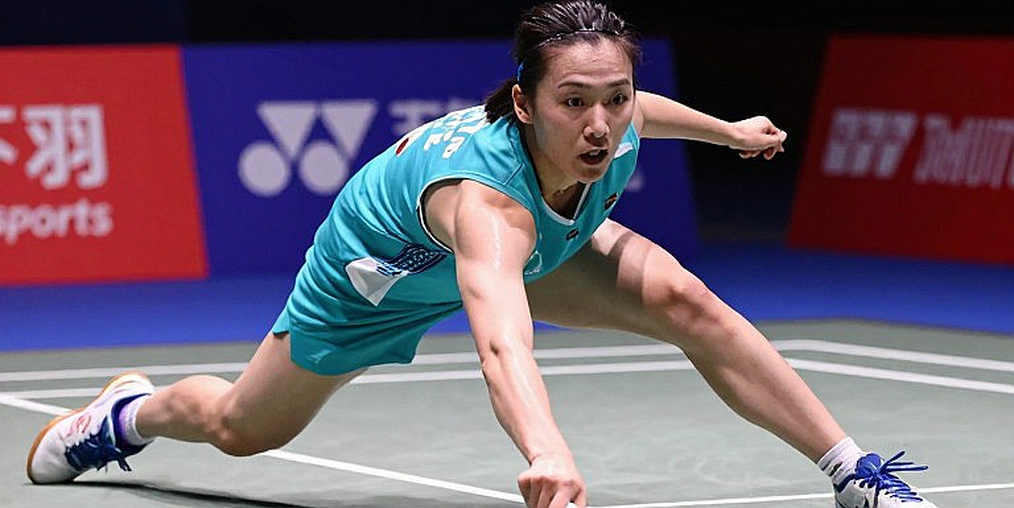
One: Aidil was never dragged into a third game. Two: he held the lead across both games, meaning he did not surrender a run of points at the closing stage, where lower-tier players most often tighten up. Three: the second game finished with a wider margin than the first, the signature of in-match adjustment — a tight opener at 21-16, a broken-open second at 21-14.
This title confirms that a ceiling was touched, not that a floor was raised. That is the difference between "a first title" and "a title at a higher level".
The rest of the story belongs to Malaysia, not to Aidil. The previous Malaysian men's singles World Tour title, before this week, was Lee Zii Jia's Australian Open 2026 — a Super 500 event. This one is a Super 100. In other words, the highest mark Malaysian men's singles has reached in two years and three months has dropped several tiers. The drought ended, but it ended where droughts are easiest to end.
The real news of the week is not that Aidil won. The real news is that a badminton nation which once produced Lee Chong Wei now has a single reliable star, and that star exited a Super 100 event in Round 2.
One more point deserves a pause: Aidil won as an independent shuttler. That is a structurally significant fact, because it shows part of Malaysia's development pathway shifting outside the centralised structure. At this moment, though, we have no information about his coach, his support team, or his funding model. Without those facts, any conclusion along the lines of "independence is the new road" is an inference dressed up neatly.
The night I was taken off air in 2026 taught me this: right and wrong can wait, questions cannot.
Contrarian view: do not turn a Super 100 trophy into a certificate
The most comfortable telling of this week is to call it a rebirth. Malaysian fans get someone to cheer for, the media gets a headline, and the national coaching setup gets a reason to exhale. I am not buying that telling.
In a draw whose top seed is ranked only No. 33 in the world, a Super 100 title is a real result with limited weight. It proves Aidil can beat players ranked around him. It does not prove he can beat the top ten. That gap is no small detail — it is the entire difference between direct entry into a Super 300 or Super 500 main draw and having to survive qualifying.
Clubs buy players with data, but titles are won with the data that numbers never touch.
The biggest risk in this story is not Aidil. He has a title in hand, a profile of steady progress, and entry slots at higher-tier events opening up. The risk sits with Malaysia: if one Super 100 trophy is enough to declare the men's singles crisis over, the real problem will return at a higher tier, with a squad that still holds one star and a group of players financing themselves.
There is another layer rarely mentioned: media pressure. A good presenter does not fear an unfinished question; he fears a boring answer. Players are the reverse — what they fear most is praise inflated too far, because it has to be repaid with defeat. For an independent shuttler, there is no national-team wall to absorb that noise.
What to watch next
The next six to twelve months will answer the only question left standing: did Aidil touch a ceiling, or raise a floor? The answer is not in the trophy in Ho Chi Minh City. It is in the next three to five Super 300 and Super 500 events, where every margin is priced in full.
I would rather watch his next five tournaments than rewatch this final five times. For a man who climbed on his own feet, that is the fair test. And for Malaysian badminton, the real question still hangs there: if the top seed of a tournament is only world No. 33, what yardstick is big enough to call a badminton nation back?